By Hanisha Mistry
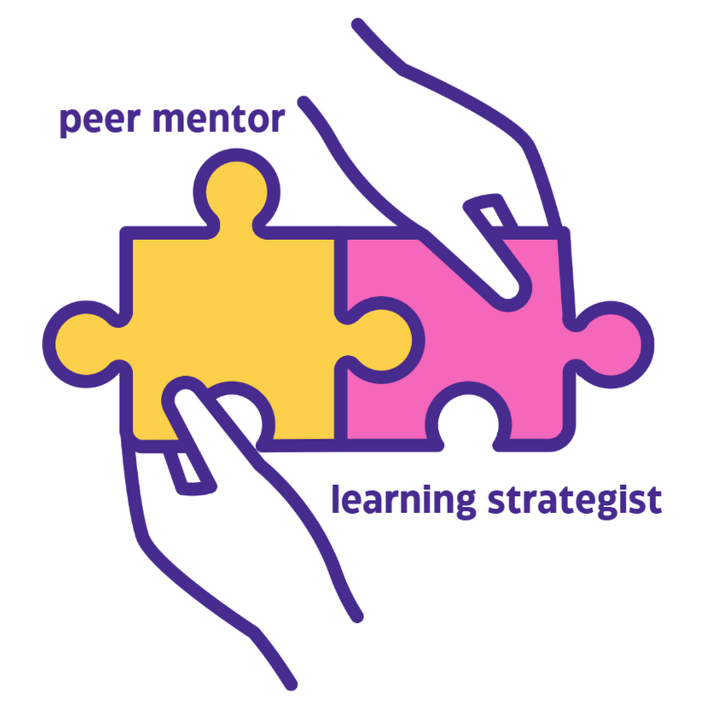
There is a need for Student Life’s resources, and there is a reason why we have both peer mentors and Learning Strategists. A poignant quote from a conversation I had with a Learning Strategist captures this need: “Students are saying, ‘I need to talk about my learning in not an evaluated space.’”
What does it mean for a student to have a space to discuss their learning with someone who is not grading them or holding them to an evaluative standard? It means they can speak freely about their struggles, admit weaknesses, and explore solutions without fear of judgment. This ungraded space fosters vulnerability and self-reflection, allowing students to confront their challenges head-on. But if the need is simply to talk, couldn’t this role be filled by a peer or a friend?
In my first week of fieldwork, I aimed to understand this question through the difference between peer and professional support from the student’s perspective. Through the Folio platform, students can book two types of appointments: one with a peer mentor and another with a professional Learning Strategist.
To explore these distinctions, I first met with a peer mentor. Their warm and welcoming tone set the stage for a collaborative session. I explained my challenges: balancing five courses, including three research projects, a 20-hour workweek, and a daily four-hour commute. The mentor shared strategies rooted in their own experiences, such as using a colour-coded calendar and pacing tasks incrementally. They reassured me that breaks are not indulgent but necessary for self-care—an acknowledgment of humanity amidst the relentless demands of university life. What stood out was the relatability of the peer mentorship model. The mentor’s shared experiences created a comfortable atmosphere, making the session feel less like a formal service and more like a supportive conversation between two friends.
While the peer mentor provided valuable support rooted in shared experience, the Learning Strategist approached the session from a professional standpoint, offering insights that felt more strategic and transformative. The focus shifted to a guided, evidence-based approach. While some advice overlapped—like using colour-coded calendars and planning downtime—the strategist introduced concepts like “intellectual stamina,” showing how to balance high-energy tasks with restorative activities. Their guidance linked my struggles to broader patterns of learning and cognition, offering a roadmap for long-term growth.
There was also a subtle yet important power dynamic. While the peer mentor’s tone was conversational, the strategist’s carried a reassuring authority. Their professional role, dedicated solely to helping students learn, lent credibility to their advice. It wasn’t just practical tips; it was a reframing of how to approach challenges within the larger context of my academic and personal development.
While peer mentors and Learning Strategists both play valuable roles, their approaches and impacts differ fundamentally. Peer mentors offer relatability and shared experiences, fostering a humanized space for growth. Learning Strategists provide professional guidance, offering a framework for sustained academic and personal success. This highlights that students aren’t just asking for support—they’re asking for nuanced, complementary forms of guidance to meet both their emotional and academic needs, ensuring they thrive in an often overwhelming academic environment.
 Ethnography Lab